
Nevada Traffic Research & Education Newsletter
September 29, 2025 // VOL. 14, ISSUE 04

Safe Streets for People: A Guide to Pedestrian Safety Measures
By: Selam Ayele, BS; Blessing Imade, BS; Ana L. Reyes, MS; Noehealani Antolin, PhD, MPH; Kavita Batra, PhD, MPH, BDS, FRSPH; Deborah A. Kuhls, MD FACS FCCM FRCST (Hon)

Pedestrian Injuries and Fatalities in Nevada
- A pedestrian is a person on foot, a person using a manual or motorized wheelchair, or a person operating an electric personal assistive mobility device such as bicycle, electric scooter [1].
- Nevada (NV) consistently ranks among the 10 worst U.S. states for pedestrian fatalities [2].
- 🚶♂️ 2018-2022: 385 pedestrian fatalities and 380 fatal pedestrian crashes occurred on NV roadways [3].
- 🚑 After being struck by a vehicle, about 625 pedestrians are hospitalized and more than 1,500 are treated in emergency departments annually [4].
Every Sign on the Road is a Conversation – Safety Starts with You!
Pedestrian Traffic Control Signals
Safety measures like crosswalks, traffic signs, signals, and road changes are implemented to reduce pedestrian and bicyclist injuries and deaths, making roads safer for all [5]. This educational issue highlights the following pedestrian/bicyclist traffic control signals:
- As shown in Figure 2, the components of PHBs consist of the following:
- Crosswalk Visibility Enhancements
- Pedestrian Hybrid Beacons (PHBs)
- Rectangular Rapid Flashing Beacons (RRFBs)
- Medians and pedestrian refuge islands
Crosswalk Visibility Enhancements
- Crosswalk visibility enhancement features are used to increase visibility and reduce pedestrians and bicyclist crashes in crosswalks [6].
- These enhancements can include high-visibility crosswalks, parking restrictions near crosswalks, improved nighttime lighting, signage, and pavement markings (as shown in Figure 1).

Figure 1 – Crosswalk Visibility Enhancements [6]
Source: U. S. Department of Transportation Federal Highway Administration
Pedestrian Hybrid Beacons (PHB) or High intensity Activated crossWalk (HAWK)
- PHBs are commonly placed on roads with speed limits above 35 miles per hour and multi-lane roads. These beacons are installed at marked crosswalks to give pedestrians the right-of-way. When activated, the beacon sequence begins with a flashing yellow light to alert drivers to slow down, followed by a solid yellow light indicating they should prepare to stop, and finally two solid red lights, requiring drivers to stop completely for pedestrians in the crosswalk [7].
- As shown in Figure 2, the components of PHBs consist of the following:
- Overhead Signal
- Overhead Beacons
- Display Arm
- Pedestrian Walk Signal
- Marked Crosswalk

Figure 2 – Pedestrian Hybrid Beacon Components [8]
Adapted from: Maryland Department of Transportation (MDOT) State Highway Administration, 2020
Click here to learn about how pedestrian hybrid beacons work!
Rectangular Rapid Flashing Beacons (RRFBs)
- RRFBs are traffic control devices placed at both ends of a crosswalk, next to pedestrian warning signs (Figure 3). They can be activated either automatically or pedestrian-triggered via a push button.
- When activated, it flashes rapidly to improve pedestrian visibility and alert drivers at marked crosswalks [9].
- In Nevada, these traffic control devices are being installed in several locations, including Boulder Highway in Las Vegas; Lake Shore Drive in Douglas County; Silver State Street in Carson City, and Pike Street in Lyon County [10].
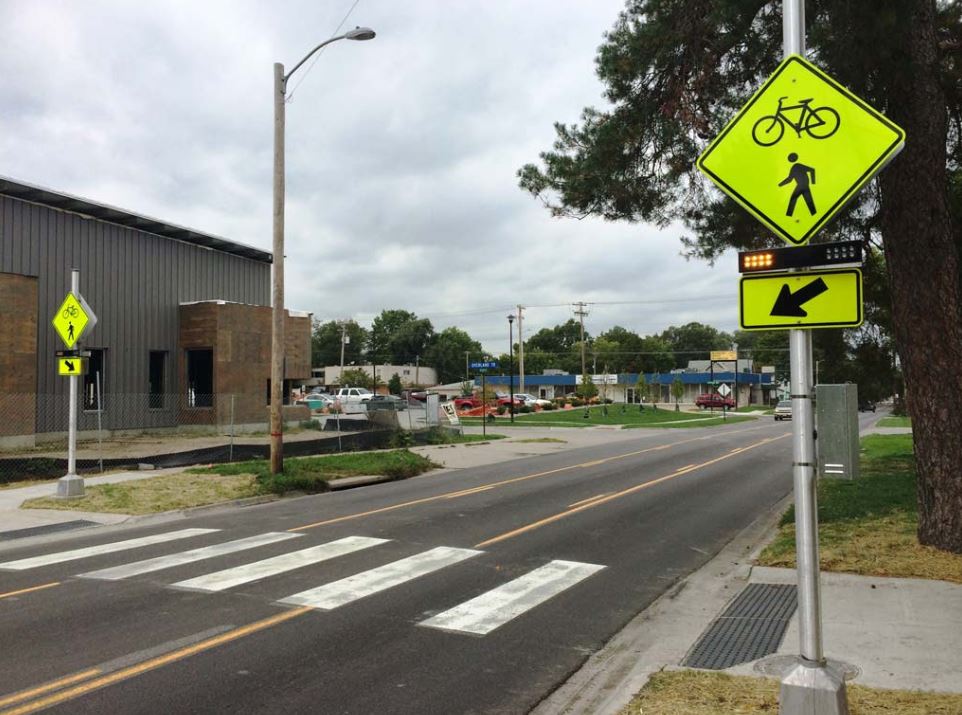
Figure 3 – Rectangular Rapid Flashing Beacons (RRFBs) [11]
Source: City of Lincoln, 2025
Medians and Pedestrian Refuge Islands
- A median serves as a physical or visual divider between lanes of traffic moving in opposite directions (Figure 4). It can take the form of painted lines, raised medians, or landscaped islands. Refugee islands offer a secure place to pause and wait while crossing multi-lane roads [12].
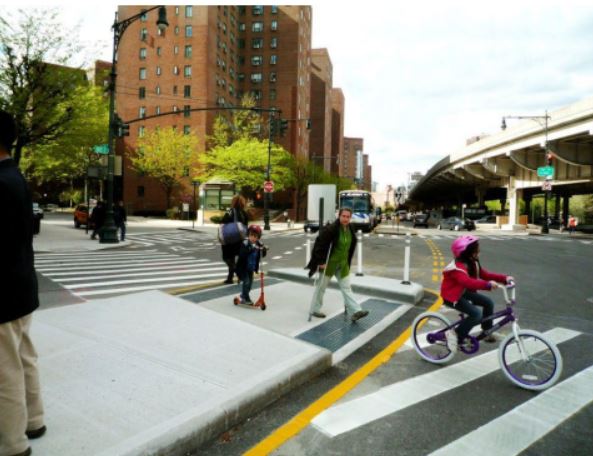
Figure 4 – Pedestrian Crossing at Refuge Island [13]
Source: New York Department of Transportation
Key Takeaways
- Always Use Designated Crosswalks and Signals – Cross at marked crosswalks and obey pedestrian signals when available. These features are designed to make you more visible to drivers and help ensure a safer crossing
- Stay Alert, Avoid Distraction – Avoid using phones or headphones while crossing. Being fully attentive helps you recognize signals and stay safe around traffic.
- Get Familiar with New Pedestrian Signals – Pedestrian Hybrid Beacons (PHBs) and Rectangular Rapid Flashing Beacons (RRFBs) are being installed on roads across Nevada. They help drivers see pedestrians better and make crossings safer for everyone.
- Slow Down and Yield! – Nevada law requires drivers to stop for pedestrians in crosswalks. Slow down and stop, especially where pedestrian signals or flashing lights are active.
Data received from the Office of Traffic Safety.
References
- Nevada Revised Statutes, Nev. Rev. Stat. 484A.165. 2024. Accessed from: https://www.leg.state.nv.us/nrs/nrs-484a.html#NRS484ASec165
- Federal Highway Administration. FHWA Highway Safety Programs. Accessed from: https://highways.dot.gov/safety/pedestrian-bicyclist/safety-countermeasures/las-vegas-pedestrian-safety-project-phase-2-3
- Zero Fatalities. 2024. Nevada Traffic Safety Crash Facts. https://zerofatalitiesnv.com/vulnerable-road-users/pedestrians/
- Nevada Department of Transportation (2024). Feasibility of Implementing Pedestrian Hybrid Beacon (PHB) Signals for Improving Safety and Mobility in Nevada. Accessed from: https://rosap.ntl.bts.gov/view/dot/79712/dot_79712_DS1.pdf
- Federal Highway Administration. Proven Safety Countermeasures. Accessed from: https://highways.dot.gov/safety/proven-safety-countermeasures
- U. S. Department of Transportation Federal Highway Administration. Crosswalk Visibility Enhancements. Accessed from: https://highways.dot.gov/sites/fhwa.dot.gov/files/2022-06/techSheet_VizEnhancemt2018.pdf
- Federal Highway Administration. Pedestrian Hybrid Beacons. Accessed from: https://highways.dot.gov/safety/proven-safety-countermeasures/pedestrian-hybrid-beacons
- Maryland Department of Transportation (MDOT) State Highway Administration. Pedestrian hybrid beacon. 2020.Pedestrian Hybrid Beacon (PHB). Accessed from: https://experience.arcgis.com/experience/769bd85416ff4e46bf3cb78a67ed4640/page/Pedestrian-Hybrid-Beacon
- Federal Highway Administration. (n.d.). Rectangular Rapid Flashing Beacons (RRFB). Accessed from: https://highways.dot.gov/safety/proven-safety-countermeasures/rectangular-rapid-flashing-beacons-rrfb
- Nevada Department of Transportation. Pedestrian Safety Projects. Accessed from: https://www.dot.nv.gov/safety/pedestrian-safety-projects
- City of Lincoln. Rectangular rapid flashing beacon. Accessed from: https://www.lincoln.ne.gov/City/Departments/LTU/Transportation/Traffic-Engineering/RRFB
- Federal Highway Administration. Medians and Pedestrian Refuge Islands in Urban and Suburban Areas. Accessed from: https://highways.dot.gov/safety/proven-safety-countermeasures/medians-and-pedestrian-refuge-islands-urban-and-suburban-areas
- Zero Fatalities Nevada. Nevada strategic highway safety plan – Pedestrian Refuge Islands. https://zerofatalitiesnv.com/app/uploads/2020/11/2014-10-21-Ped-Refuge-Islands-White-Paper.pdf
Sign up to receive our Trends Newsletters by email!

GET IN TOUCH
